
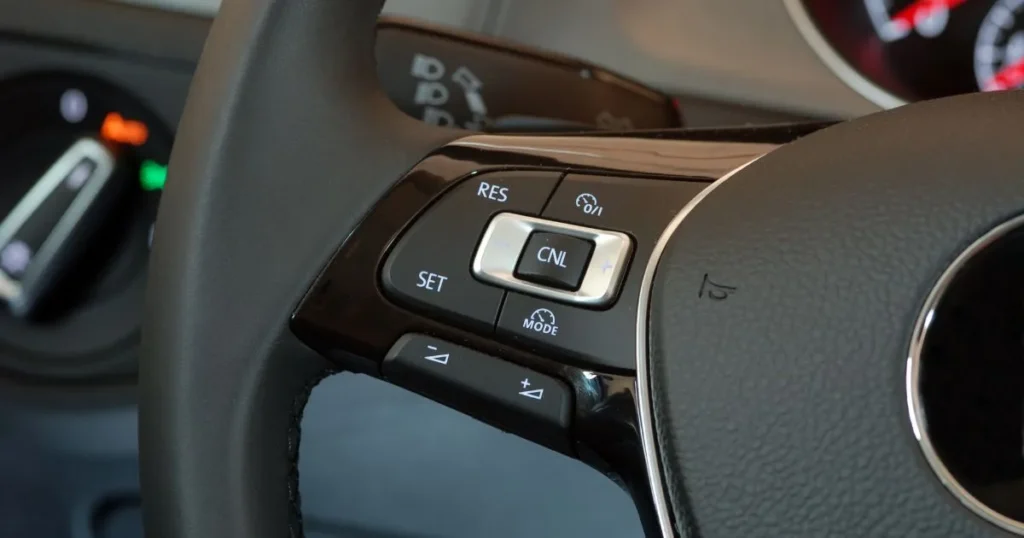
Modern vehicles are equipped with more advanced safety technology than ever before. Features like blind spot monitoring, automatic emergency braking, lane-keeping assist, and adaptive cruise control are designed to reduce car accidents and improve driver awareness. While these systems have undoubtedly saved lives, some experts worry they may also create a dangerous side effect: Overconfidence behind the wheel. Drivers who rely too heavily on technology may pay less attention to the road, react more slowly in emergencies, or assume their vehicle can automatically prevent every collision.
New Safety Features in Cars
In the last decade, automakers have added various features to new cars intended to make them safer. These safety features can include the following:
- Automatic Emergency Braking.
- Forward Collision Warning.
- Adaptive Cruise Control.
- Lane Departure Warning.
- Lane Keeping Assist.
- Blind Spot Monitoring.
- Rear Cross-Traffic Alert.
To be clear, advanced safety features in cars have generally cut down on accidents. For example, one study showed that automatic emergency braking has cut down on rear-end car accidents by roughly 50%. Drivers who use these devices properly receive a crucial assist in staying safe. However, not every driver will properly use their safety features.
Vehicular safety systems are intended to be an augmentation of the driver’s own vigilance and efforts. They are clearly not intended to replace the attention that the motorist is supposed to pay to the roadway.
When Advanced Safety Systems Can Be Counterproductive
Safety features in cars can actually be “counterproductive” in some cases. A driver may be overconfident because they know that they have these technologies in their car. For example, a driver may overly on their collision detection monitoring system when they are following closely behind other vehicles in traffic. A driver may excessively tailgate, counting on an alert when they may be in imminent danger of an accident.
Similarly, a motorist may also rely solely on their blind spot detection sensor when they are changing lanes. They may not perform a manual check of their blind spots. While a blind spot detection system picks up many vehicles, it does not capture everything. For example, a blind spot detection system may struggle to see a motorcycle because it is not on the same eye level as a car.
In addition, the systems may not work as well in inclement weather because rain could obscure the sensor. Similarly, many safety systems may not work in every type of weather. For example, blind spot detection systems may not work in the heavy snow that is often a part of Vermont winters.
Drivers Cannot Point to a Safety System as a Means of Avoiding Fault
The fact that a driver was relying on safety features at the time of the accident is not a defense. A motorist is judged by the actions that they actually took rather than what they may have done to try to stay safe. For example, if a driver was relying solely on their blind spot detection monitor, yet they still made an illegal lane change, they would still be legally responsible for the accident.
At the end of the day, it is up to the driver to do whatever is in their power to uphold their duty of care. Whether they operate “manually” or choose to use their safety features, it is the result that matters. For example, if a motorist rear-ends another car, they are presumed to be at fault for the accident almost universally, regardless of what happened to cause it.
There are times when a vehicular safety system truly malfunctioned and was responsible for the accident. In that case, an accident victim may sue the manufacturer of the car or the safety system itself, often in addition to the driver who was involved in the crash.
Have You Suffered Injuries in a Car Accident? Contact our Vermont Car Accident Lawyers at Kramer Law, P.C. to Get the Compensation You Deserve
If you have been injured in a motor vehicle crash, our Vermont car accident lawyers at Kramer Law, P.C. can help determine the cause and seek compensation on your behalf. To schedule a consultation, contact us online or call today at 802-257-2221. Located in Brattleboro, Vermont, we proudly serve clients in the surrounding areas.