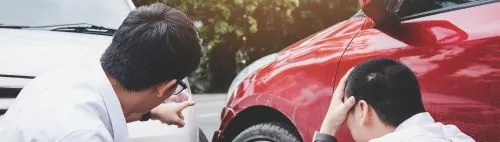
A car accident can leave you dealing with painful injuries, unexpected medical bills, and uncertainty about what comes next. In Vermont, where road conditions can change quickly due to weather, rural terrain, or wildlife crossings, the aftermath can feel especially overwhelming—especially when you are trying to manage insurance companies, doctor appointments, and questions about your legal rights.
According to VTDigger, Vermont recorded 77 fatalities in 2022, the highest in a decade, highlighting the serious risks even on familiar roads. Understanding how Vermont law works and what steps to take early on can make a significant difference in your financial recovery and long-term well-being.
After any collision, your first priority is safety. Check for injuries and call 911 if anyone is hurt or if the vehicles cannot be moved. Vermont law requires reporting injury crashes, and the responding officer’s report can later serve as key evidence. If it is safe to do so, move your vehicle to the side of the road—particularly important on high-traffic routes like I-89, I-91, or Route 7, where a disproportionate number of Vermont crashes occur.
Even if you believe your injuries are minor, seek medical care immediately. Many common crash-related injuries—such as concussions, whiplash, and soft-tissue damage—do not show symptoms for hours or even days. Prompt documentation is critical: delays in seeking care can weaken a claim. Timely medical attention is particularly important given that Vermont reported 69–71 traffic-related fatalities in 2023 across the state, showing that even small incidents can have serious consequences.
At the scene, gather as much information as possible. Take photos of vehicle damage, the crash site, weather conditions, skid marks, traffic signs, and any visible injuries. Get contact details for the other driver and any witnesses. Notify your insurance company, but avoid giving recorded statements or speculating about fault until you have spoken with a lawyer.
Vermont follows a fault-based system, meaning the driver who caused the accident is responsible for damages. Fault is determined by examining:
Vermont also applies a modified comparative negligence rule. You can recover compensation as long as you are less than 50% at fault, but your recovery is reduced by your percentage of responsibility. If you are 50% or more at fault, you generally cannot recover. Given that most fatal crashes involve speeding, impaired driving, or poor road conditions, having clear evidence of fault is crucial.
Car accident victims often face significant financial strain. Compensation in Vermont may include:
Most car accident injury lawsuits must be filed within three years of the crash. Wrongful death claims may follow different deadlines, and claims involving government entities often require earlier notice.
Even though three years seems like ample time, delays can weaken your case, especially when medical documentation, witness statements, and accident reconstruction are involved. Early legal guidance is critical, particularly in a state where fatal accidents occur frequently due to impaired driving and hazardous weather conditions.
Insurance companies aim to minimize payouts. A Vermont car accident lawyer balances the scales by:
Legal representation ensures you are not pressured into accepting an unfair settlement and that your claim reflects your needs.
Car accidents happen statewide, including in Burlington, Rutland, Bennington, Montpelier, St. Albans, and Brattleboro. Common causes include:
Most Vermont car accident claims settle outside of court. Settlement can save time and reduce stress, but should only be accepted if it fully reflects your medical needs, lost wages, and long-term recovery.
A lawyer can evaluate any settlement offer. If liability is disputed or the insurer undervalues your claim, filing a lawsuit may be necessary. Litigation keeps the insurance company engaged and can help secure a more favorable outcome.
Not always. Some injuries—especially head, spine, and soft-tissue injuries—develop over time. In certain circumstances, the statute of limitations may begin when you reasonably discover the injury and its connection to the crash. However, waiting can make evidence harder to collect, so contacting an attorney as soon as possible is essential.
What if I am partly at fault for a Vermont crash — can I still recover damages?
Yes. Vermont allows recovery if you are less than 50% at fault. Compensation is reduced proportionally to your share of fault.
What types of damages can I recover?
You may recover medical expenses, lost wages (including future earnings), property damage, pain and suffering, ongoing care needs, and sometimes other damages, depending on injury severity.
Is timely medical documentation important?
Absolutely. Prompt medical care helps document that your injuries are connected to the crash and strengthens your claim. Delays may complicate proving causation
When a car accident disrupts your life, the path to recovery can feel overwhelming. Our Vermont car accident lawyers at Kramer Law, P.C. can help you after a wreck. Call 802-257-2221 or contact us online for a free consultation. Located in Brattleboro, Vermont, we proudly serve clients statewide.




Office Location
Our Brattleboro Offices
42 Park Place
Brattleboro, Vermont 05301
Phone: 802-257-2221
Cell: 802-380-2335
Email: [email protected]